Sunday, November 22, 2009
Islam and the Great Spread
As Muhammad began to spread his influence around Arabia, more and more people began to believe. Muhammad was a merchant by trade. Trade at the time would be a contributor to how religion would spread around from east to west. What appealed to people to convert to Islam was that Islam was a religion that made every man equal to one another. Not one man was greater than another. Another appealing factor was that there was no priest or a middle man to Islam. It was you and God and a peaceful relation between the two.


Islam started with the creation of the Earth. It did not start to gain a large following however until the prophet Mohammed was born in 570 A.D. He began preaching about the God and reading the scriptures of the Quran. He brought together the many tribes in the Middle East and began to preach what Islam truly means, “submission to God”. The Muslims, this is what followers of Islam are called, also started to conquer land to spread their faith. They conquered large parts of northeast Africa and the Middle East. This is the only area where the spread of Islam was done by the sword in this time. When the faith spread to other parts it was done by the draw of the faith. Here is a religion with one God, and he showed mercy on his subjects. This expansion was done after the death of Mohammed. He died in 632, and through his followers Islam saw this great expansion. Islam spread to the Southern tip of France, India, China, more of Africa, and numerous other parts of the world. Today, Islam is still the fastest growing religion, and it stretches from the Atlantic Ocean to the Pacific. It gets a bad rap because of the terrorist attacks, but at its heart it is a religion founded on love and equality to all. A select few have distorted the image of an entire religion.
If you would like to find out more about Islam check out these sites:
http://www.mnsu.edu/emuseum/cultural/religion/islam/history.html
http://www.mnsu.edu/emuseum/cultural/religion/islam/history.html
Saturday, November 21, 2009
Islam and Europe
It is clear that Islam has quite an effect on medieval Europe, is many different ways socially and politically. Many different things were brought back from the middle east to Europe that people there had never seen before, in quality and type of things. Many different spices, items and ideas came from the middle east.
 The crusades created a constant demand for shipping and men to travel to and from the middle east to gather goods. The economy of many European countries benefited from the invasion and conquest of this area. Items from the middle east were so enchanting and captivating that there simply was not enough of it to satisfy as many Europeans that wanted such goods.
As for many of the Aristocrats and wealthy people who set out for the middle east in search of wealth and prosperity from these lands many of them never returned and the their land and belongings were granted to the kings and queens of these countries. this gave prominence back to many of the kings and queens of the European realm.
Many of the ideas and intellectual advancements of the time for Europe came from the middle eastern realm. The people of the East were far more intellectually advance than their western European brothers and many scientific ideologies were brought back to Europe with the crusaders.
http://www.middle-ages.org.uk/effects-of-crusades.htm
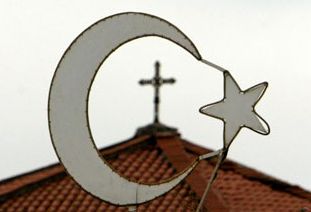 The crusades created a constant demand for shipping and men to travel to and from the middle east to gather goods. The economy of many European countries benefited from the invasion and conquest of this area. Items from the middle east were so enchanting and captivating that there simply was not enough of it to satisfy as many Europeans that wanted such goods.
As for many of the Aristocrats and wealthy people who set out for the middle east in search of wealth and prosperity from these lands many of them never returned and the their land and belongings were granted to the kings and queens of these countries. this gave prominence back to many of the kings and queens of the European realm.
Many of the ideas and intellectual advancements of the time for Europe came from the middle eastern realm. The people of the East were far more intellectually advance than their western European brothers and many scientific ideologies were brought back to Europe with the crusaders.
http://www.middle-ages.org.uk/effects-of-crusades.htm
Surrender
The word Islam means “surrender, submission, or subjugation.” It is no surprise, then, that Muslim’s completely surrender themselves to their god, Allah. They are especially dedicated to Allah through five prayers that coincide with the five pillars. During these prayers, the Muslim’s submission to Allah is made clear by their posture, which involves a bent back as if to say they are not free, but a slave. Each Muslim believes he is on earth to worship and serve the one who created him. 

Muslims serve Allah in hopes of receiving a gift from him in return. They recite prayers and obey his commands in order to receive earthly or heavenly rewards. The most precious gift they can receive is eternal salvation, which Allah has already given them. Therefore, they behave self righteously to achieve many good deeds and Allah’s grace.
In Islam, prayer to Allah is not voluntary, but rather an obligation. Many different regulations have been enforced in order to ensure Allah is the center of everything. For example, it is mandatory that everyone washes their hands, feet, arms, mouth, and face before prayer. This law is enforced to create a sense of purity in the mosques, and anyone who does not oblige to the rule has nullified their prayer.
One main prayer in Islam is “guide us in the straight path, the path of those whom thou hast blessed, not of those against whom thou are wrathful, nor of those who are astray.” This particular prayer expresses a Muslim’s dependency on Allah. Each Muslim frequently calls out to their god in prayer, and desires to serve him and fight for him wholeheartedly.
Friday, November 20, 2009
Richard the Lionhearted Encounters Saladin
The Third Crusade although unsuccessful, helped ease tensions between western European Christians and Eastern Muslims. It secured a truce and ensured Christians would be allowed to make their pilgrimages to Jerusalem. As a side story two kings showed each other chivalrous mutual respect.

Richard the Lionheart king of England raised money through taxes and assembled an army with the help and support of France to retake Jerusalem from Saladin and the Muslims. “The two most significant remaining leaders to set out on crusade from the West were Richard of England and Philip of France, who set out by sea separately in 1191. Richard stopped at Cyprus on his way to the Holy Land and conquered the island before meeting up with Philip at the siege of Acre on 8 June 1191. Saladin was unable to break the Christians' blockade, and the city fell to the crusading kings in a little over a month, after which Philip departed to return to the West and Richard turned south toward Jaffa.” During the march on 7 September 1191, Saladin attacked the crusaders on the plains near Jaffa, but he suffered a heavy loss. Richard was then able to take Jaffa, and secure the use of its port. Soon after Saladin tried to retake Jaffa but was unsuccessful.
“However, Saladin's relationship with Richard was one of chivalrous mutual respect as well as military rivalry. When Richard became ill with fever, Saladin offered the services of his personal physician. Saladin also sent him fresh fruit with snow, to chill the drink, as treatment. At Arsuf, when Richard lost his horse, Saladin sent him two replacements. Richard suggested to Saladin that Palestine, Christian and Muslim, could be united through the marriage of his sister Joan of England, Queen of Sicily to Saladin's brother, and that Jerusalem could be their wedding gift.”

Soon after the two commanders agreed on a three year truce. King Richard returned to home to England and shortly after Saladin in 1193. The Third Crusade failed to recapture Jerusalem, but it did secure the coastline from Jaffa to Tyre, creating a point from which future crusades could be launched.
1 Lawson, Rich. Richard and Saladin: Warriors of the Third Crusade
2 Lawson, Rich. Richard and Saladin: Warriors of the Third Crusade
found at http://www.shadowedrealm.com/articles/exclusive/richard_saladin_warriors_third_crusade

Richard the Lionheart king of England raised money through taxes and assembled an army with the help and support of France to retake Jerusalem from Saladin and the Muslims. “The two most significant remaining leaders to set out on crusade from the West were Richard of England and Philip of France, who set out by sea separately in 1191. Richard stopped at Cyprus on his way to the Holy Land and conquered the island before meeting up with Philip at the siege of Acre on 8 June 1191. Saladin was unable to break the Christians' blockade, and the city fell to the crusading kings in a little over a month, after which Philip departed to return to the West and Richard turned south toward Jaffa.” During the march on 7 September 1191, Saladin attacked the crusaders on the plains near Jaffa, but he suffered a heavy loss. Richard was then able to take Jaffa, and secure the use of its port. Soon after Saladin tried to retake Jaffa but was unsuccessful.
“However, Saladin's relationship with Richard was one of chivalrous mutual respect as well as military rivalry. When Richard became ill with fever, Saladin offered the services of his personal physician. Saladin also sent him fresh fruit with snow, to chill the drink, as treatment. At Arsuf, when Richard lost his horse, Saladin sent him two replacements. Richard suggested to Saladin that Palestine, Christian and Muslim, could be united through the marriage of his sister Joan of England, Queen of Sicily to Saladin's brother, and that Jerusalem could be their wedding gift.”

Soon after the two commanders agreed on a three year truce. King Richard returned to home to England and shortly after Saladin in 1193. The Third Crusade failed to recapture Jerusalem, but it did secure the coastline from Jaffa to Tyre, creating a point from which future crusades could be launched.
1 Lawson, Rich. Richard and Saladin: Warriors of the Third Crusade
2 Lawson, Rich. Richard and Saladin: Warriors of the Third Crusade
found at http://www.shadowedrealm.com/articles/exclusive/richard_saladin_warriors_third_crusade
Wednesday, November 18, 2009
Expansion of the Islamic/Arab Empire
Although Muhamed was able to greatly spread the message of Islam, it was not until after his death in 632 CE that the real expansion of the Arab Empire began. Only a few years after the death of Muhamed the Arab armies began to engage the Byzantine and Persian Sassanid Empires, which were the most powerful empires of the region, in battle. These engagements were a continuation of a long tradition of tribal raids into surrounding civilizations. These raids had taken place long before Muhamed and Islam were around. The difference now was that they finally had a centralized state of their own and a central command which could mobilize the military potential of the entire Arab nation. The Arabs were able to use this new found power to attack the Byzantine and Persian Empires, which were weakend from decades 0f war against each other. During the 650s the Arabs were finally able to defeat the Sassanid Empire and while they were not able to completely defeat the Byzantines, they were able to capture the southern half of Byzantium.

After defeating these two great empires the Arabs, who now operated on both land and sea, were able to sweep westward across North Africa. By the early 700s CE the had conquered Spain and had begun to attack southern France. Besides this great expansion west the Arabs army also moved east toward the Indus. Along the way they were able to capture some of the major oases towns of Central Asia. In 751CE the Arab Empire battle Chinese forces in the Battle of Talas River and were able to deal the Chinese a crushing defeat. This battle would have a major effect on the cultural evolution of Asia, as it halted the expansion of China to the west. It also helped to convert the Central Asian Turkic speaking people to Islam. This great expansion was important for multiple reasons. It was obviously important for great religous effect that it had, massively expanding Islam to both the east and west, but it was also important because of the effect that it had on Arab trade. During this expansion the Arab Empire was able to capture to capture profitable trade routes, as well as wealthy agricultural regions, both of which were able to greatly increase the wealth of the Islamic community.
Strayer, Robert W. Ways of the World. Vol. 1. Boston: Bedford/ St. Martin's, 2009. 2 vols. Print.
http://books.google.com/books?id=mBuaPAAACAAJ&dq=ways+of+the+world+strayer&ei=0Tj7Su_vK46OMoSi_YQP
Sunday, November 15, 2009

Western Christendom’s face was the Byzantine Empire. It was the eastern half of the Roman Empire that still remained. Byzantine was based at Constantinople, which is modern day Istanbul, Turkey. The empire was in a war against the Muslim people of the Middle East. The Byzantines were in existence for over 1,000 years, and their empire ended because of the Ottomans. The Byzantines had one of the finest navies of the time, and they were able to repulse the Muslim’s from gaining ground and breaking through their massive walls. This would not last forever though, as the Ottoman Empire united the Muslim people and were able to make a full out attack. The city finally fell in the mid 1400’s, and the Roman Empire fell with it. It was a severe defeat for Christianity and they would repay the Muslims at the Battle of Lepanto. This battle helped to stop the spread of Islam across Europe, and gave people a choice of which religion was right for them. This holds true to what the United States of America was founded upon, and what we still believe today.
Saturday, November 14, 2009
Uh oh, it is spreading!

One of the biggest influences in the modern world still today is religion. It has been said for years that there should be a separation of church and state, however religion still determines many of the decisions made globally today. One of the largest religions on Earth today is Christianity, and a major question is what factors and mechanisms helped this religion spread and grow to what it is today.
Global trade, with the establishment of the silk road and other trade networks. was one of the biggest influences in the spread of all religions as well as Christianity. With these established routes people of the Christian faith, such as missionaries, could travel great distances spreading the word of their religions to regions of the world that were not as easily accessible befor
 e. Not just missionaries but even merchants and anyone really was able to help spread the word of religion.
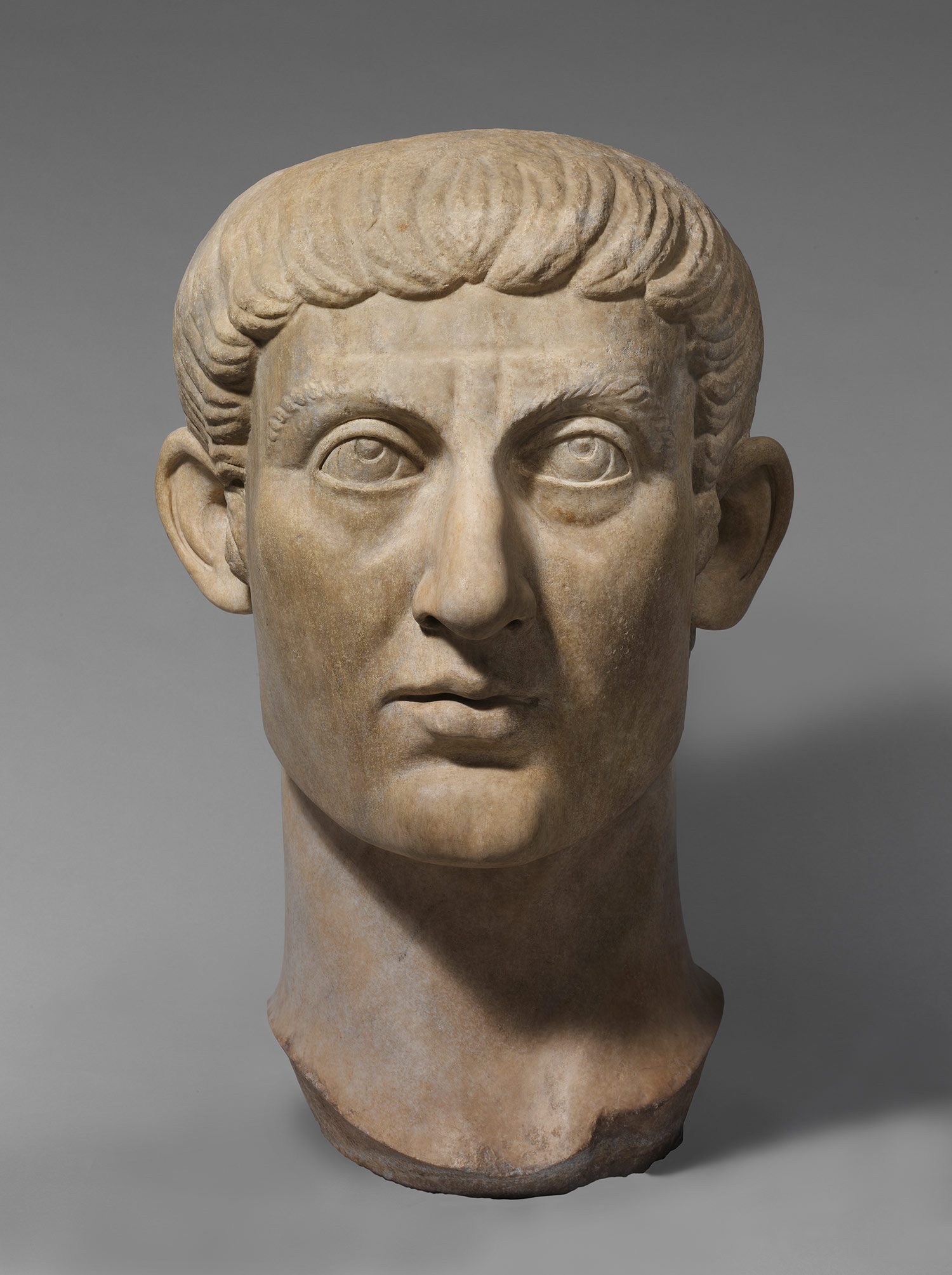
When the ruler of the entire Roman empire converts to Christianity it is going to make the idea of this religion a bit more popular. When Constantine converted to Christianity it made Christianity much more popular within the empire, and had one of the biggest impacts on the religion still today.
Christianity was appealing in many ways to simple people as well. The idea of salvation was a huge factor in the conversion of so many. Normal people, not rulers, aristocrats or any other elite class was able to reach salvation through this faith which compelled so many. Such a simple route to salvation would be very appealing to many.
http://mr_sedivy.tripod.com/r_life.html
Caesaropapism.
In history and the rise off the Christan church, there would be a time a great trial and great struggle against either different people or different groups. In the beginnings of the Church communication took a long time. For example, to send a message from Constantinople to Rome would take numerous of weeks. An important message pertaining to church issues could takes weeks to get to its destination and it might be too late when the message arrives. Important matters such as church or civic would come too late to do anything about the matter. When the Church was beginning, the Christians were spread throughout the empire and at times they believed different things that they were calling Christian but were in reality not. At the time in history, the Church and State were not separated, thus it created chaos between who was to control what.
At times civic leaders would make Church decisions which is classified as caesaropapism. Caesaropapism was originally created in the Byzantine Empire in its efforts to combine the Eastern Orthodox Church and the Emperor under one throne. Other cases of caesaropapism have came up past the years of the Roman Empire's fall. In Medieval times, the Church and State were not separated. Taxes would go to the Church as well as the government. Examples would be King Henry VIII taking over the Church in England. www. encyclopedia. com
At times civic leaders would make Church decisions which is classified as caesaropapism. Caesaropapism was originally created in the Byzantine Empire in its efforts to combine the Eastern Orthodox Church and the Emperor under one throne. Other cases of caesaropapism have came up past the years of the Roman Empire's fall. In Medieval times, the Church and State were not separated. Taxes would go to the Church as well as the government. Examples would be King Henry VIII taking over the Church in England. www. encyclopedia. com
Friday, November 13, 2009
The Papal States

In class we have discussed the spread of Christianity and as many know this religion had overwhelming effects on the world. In fact the leader of the catholic church, the Pope, became the ruler of a state called the Papal States. The Pope was the sovereign leader of this large chunk of central Italy from 754 to 1870. The Papal State gained its territory by lands given to the Pope. Although the Papal State had little military strength and barely had control over its territories because of Emperors and nobles contesting the rule of the Papacy, it did have a role in the politics of Europe.
The Pope has the power to excommunicate members of the church. This includes kings and leaders of other countries. This can lead to growing political opposition in excommunicated leader's territories and unhappy Christians because their leader has been cast out of the church.
From 1305 to 1378, the Popes lived in Avignon, in what is now France. While the Papacy was in France their were strongly under the influence of the French Kings. 1378 to 1417 was a period know as the great schism. During this period Gregory XI had returned the papacy from Avignon to Rome. Shortly after he died and the Cardinals under fear of an Italian mob elected another Pope named Urban VI because he was Italian. Shortly after this he acted very offensive to all in the church and the Cardinals declared his election null and void because they were under duress when they elected him. The Cardinals elected Clement VII but Urban VI remained in Rome, refusing to step down, and Clement VII fled to Avignon. From there on until 1417 were two declared Popes of the church, both declaring that the other was illegitimate. Many Christians were confused and perhaps some left the catholic church because of the schism.
Slowly of the centuries the Papal States declined and Italy declared war on the Papal States and took Rome. The Papal States technically lives on as the State of the Vatican City.
All this information and more can be found at the following sources.
http://www.britannica.com/EBchecked/topic/441848/Papal-States
http://www.encyclopedia.com/topic/Great_Schism.aspx#1E1-Schism-G
http://www.ohio.edu/chastain/ip/papalsta.htm
Thursday, November 12, 2009
Constantine the Great
Constantine was born in Naissus around 285 CE. In 293 CE he became a member of the court of Diocletian. When his father died in 306 CE, Constantine took his place as Augustus. His peers tried to force him to give up his title as Augustus and go back to being a Caesar, but he refused.
In 312 CE, Constantine invaded Italy. During his march to Rome, he claimed to have a vision of the sun with the Chi-Ro shining above it. The Chi-Ro is a divine symbol of Christ, so he had all of his soldiers paint it on their shields. They then battled an army with thousands of soldiers, and surprisingly overpowered them.
 Constantine attributed this victory to the Chi-Ro he saw before the battle. He then thought of himself as an emperor of the Christian people. He soon became a dominant leader in Rome, and ordered that authorities stop executing the Christians. For a while, he was not familiar with Christian beliefs, but he learned as time went on. He often tried to solve disputes peacefully. However, at time he became increasingly brutal, and even persecuted the ‘wrong type’ of Christians.
For many years, Constantine only ruled the western half of Rome. While he didn’t force Christianity onto any citizens, he appointed Christian officials and was involved with the Christian church. In the east, however, the second emperor Licinius adamantly opposed the religion. There were several confrontations between the east and west, ultimately ending with Constantine defeating Licinius and becoming the single emperor of Rome.
As the emperor of Rome, he enforced many new laws. First he banned Pagan practices and built Christian churches. He implemented a harsh tax system, ruled that any girl who eloped would be burned alive, and sentenced rapists and their women victims to death. Despite these ruthless laws, Constantine still ruled as a Christian.
Toward the end of his life, Constantine planned to invade Persia. He wanted to be baptized along the way, in the river of Jordan where Jesus was baptized. However, he became sick in 337 CE and never made it to the river. Instead, he asked the bishop of Nicomedia, Eusebius, to baptize him on his deathbed.
For more information, follow this link:
http://www.roman-empire.net/decline/constantine-index.html
In 312 CE, Constantine invaded Italy. During his march to Rome, he claimed to have a vision of the sun with the Chi-Ro shining above it. The Chi-Ro is a divine symbol of Christ, so he had all of his soldiers paint it on their shields. They then battled an army with thousands of soldiers, and surprisingly overpowered them.
Constantine attributed this victory to the Chi-Ro he saw before the battle. He then thought of himself as an emperor of the Christian people. He soon became a dominant leader in Rome, and ordered that authorities stop executing the Christians. For a while, he was not familiar with Christian beliefs, but he learned as time went on. He often tried to solve disputes peacefully. However, at time he became increasingly brutal, and even persecuted the ‘wrong type’ of Christians.For many years, Constantine only ruled the western half of Rome. While he didn’t force Christianity onto any citizens, he appointed Christian officials and was involved with the Christian church. In the east, however, the second emperor Licinius adamantly opposed the religion. There were several confrontations between the east and west, ultimately ending with Constantine defeating Licinius and becoming the single emperor of Rome.
As the emperor of Rome, he enforced many new laws. First he banned Pagan practices and built Christian churches. He implemented a harsh tax system, ruled that any girl who eloped would be burned alive, and sentenced rapists and their women victims to death. Despite these ruthless laws, Constantine still ruled as a Christian.
Toward the end of his life, Constantine planned to invade Persia. He wanted to be baptized along the way, in the river of Jordan where Jesus was baptized. However, he became sick in 337 CE and never made it to the river. Instead, he asked the bishop of Nicomedia, Eusebius, to baptize him on his deathbed.
For more information, follow this link:
http://www.roman-empire.net/decline/constantine-index.html
Wednesday, November 11, 2009
The Church after the fall of the Roman Empire

In the 3rd and 4th centuries CE the Western Roman Empire began to be invaded by barbarian tribes, which were coming from Central Asia and in 476 CE the Germanic tribe leader Odoacer, "King of Italy", deposed the last Western Roman Emperor, Romulus Augustulus, marking the end of Western Rome. This could have easily dealt a major blow to christianity, which had grown so much throughout Rome. Fortunatelly this was not the case, as the barbarian tribes that took control of the Roman territory did not completely change the culture in the area but instead kept it along with christianity. It is infact the opposite that occured. With the fall of this great empire the Roman Catholic Church actually gained power instead of losing it.
There was a large hole left with the collapse of Rome and the Church became one of the main powers that stepped in to fill it. The Church, which based its hierachial organization of popes, bishops, priests, and monastaries on the organization of the Roman Empire, began to take over some of the functions of the government in the new nations which took the place of the Western Roman Empire. These functions included, politics, administration, education, and welfare. These new functions gave the Church more power than it had previously had, while also causing it to become quite wealthy. This new found power and wealth lead to the conversion of the many "pagan" people of Europe and to the expansion of christianity.
Strayer, Robert W. Ways of the World. Vol. 1. Boston: Bedford/ St. Martin's, 2009. 2 vols. Print.
http://books.google.com/books?id=mBuaPAAACAAJ&dq=ways+of+the+world+strayer&ei=0Tj7Su_vK46OMoSi_YQP
There was a large hole left with the collapse of Rome and the Church became one of the main powers that stepped in to fill it. The Church, which based its hierachial organization of popes, bishops, priests, and monastaries on the organization of the Roman Empire, began to take over some of the functions of the government in the new nations which took the place of the Western Roman Empire. These functions included, politics, administration, education, and welfare. These new functions gave the Church more power than it had previously had, while also causing it to become quite wealthy. This new found power and wealth lead to the conversion of the many "pagan" people of Europe and to the expansion of christianity.
Strayer, Robert W. Ways of the World. Vol. 1. Boston: Bedford/ St. Martin's, 2009. 2 vols. Print.
http://books.google.com/books?id=mBuaPAAACAAJ&dq=ways+of+the+world+strayer&ei=0Tj7Su_vK46OMoSi_YQP
Saturday, November 7, 2009
The First Crusade
As our class shifts toward the role and history of Christianity in the western world, I think it is important to learn about The First Crusade. The First Crusade was an attempt to recapture the city of Jerusalem. For years it had been under the control of Muslims and in the 11th century a pilgrimage became very difficult and dangerous because of Muslim soldiers. This greatly angered all Christians.
In 1095 Pope Urban II spoke at the Council of Clermont to a large group of clergy, nobles, and commoners. Dr. E.L. Skip Knox gives a summary of the pope's speech, which has been recorded differently in various sources.
"The noble race of Franks must come to the aid their fellow Christians in the East. The infidel Turks are advancing into the heart of Eastern Christendom; Christians are being oppressed and attacked; churches and holy places are being defiled. Jerusalem is groaning under the Saracen yoke. The Holy Sepulchre is in Muslim hands and has been turned into a mosque. Pilgrims are harassed and even prevented from access to the Holy Land.
The West must march to the defense of the East. All should go, rich and poor alike. The Franks must stop their internal wars and squabbles. Let them go instead against the infidel and fight a righteous war.
God himself will lead them, for they will be doing His work. There will be absolution and remission of sins for all who die in the service of Christ. Here they are poor and miserable sinners; there they will be rich and happy. Let none hesitate; they must march next summer. God wills it!" Pope Urban II

Christianity by this time had spread all across Europe and the Catholic church headed by the Pope had a great deal of power. The Crusading army grew to around 10,000 men and they gathered in Constantinople to prepare for their journey to the Holy Land.
First the army captured Nicea and after a seven month siege captured Antioch. The First Crusade came to an end with the capture of Jerusalem in 1099. It was not easy for the Crusaders. They had to travel by land and pillage/scavenge for food and supplies. After the success the conquered territory was divided up into four Latin kingdoms charged with protecting all Christians and defending them from the Muslims.
Christianity was very popular in Europe and the power of the church can be seen by the popularity of the crusades.
more information can be found at
http://gbgm-umc.org/umw/bible/crusades.stm
http://crusades.boisestate.edu/1st/
http://www.historylearningsite.co.uk/cru2.htm
In 1095 Pope Urban II spoke at the Council of Clermont to a large group of clergy, nobles, and commoners. Dr. E.L. Skip Knox gives a summary of the pope's speech, which has been recorded differently in various sources.
"The noble race of Franks must come to the aid their fellow Christians in the East. The infidel Turks are advancing into the heart of Eastern Christendom; Christians are being oppressed and attacked; churches and holy places are being defiled. Jerusalem is groaning under the Saracen yoke. The Holy Sepulchre is in Muslim hands and has been turned into a mosque. Pilgrims are harassed and even prevented from access to the Holy Land.
The West must march to the defense of the East. All should go, rich and poor alike. The Franks must stop their internal wars and squabbles. Let them go instead against the infidel and fight a righteous war.
God himself will lead them, for they will be doing His work. There will be absolution and remission of sins for all who die in the service of Christ. Here they are poor and miserable sinners; there they will be rich and happy. Let none hesitate; they must march next summer. God wills it!" Pope Urban II

Christianity by this time had spread all across Europe and the Catholic church headed by the Pope had a great deal of power. The Crusading army grew to around 10,000 men and they gathered in Constantinople to prepare for their journey to the Holy Land.
First the army captured Nicea and after a seven month siege captured Antioch. The First Crusade came to an end with the capture of Jerusalem in 1099. It was not easy for the Crusaders. They had to travel by land and pillage/scavenge for food and supplies. After the success the conquered territory was divided up into four Latin kingdoms charged with protecting all Christians and defending them from the Muslims.
Christianity was very popular in Europe and the power of the church can be seen by the popularity of the crusades.
more information can be found at
http://gbgm-umc.org/umw/bible/crusades.stm
http://crusades.boisestate.edu/1st/
http://www.historylearningsite.co.uk/cru2.htm
Friday, November 6, 2009
We Were Not the Only Humans Facing Climate Change
One of the most pressing issues that Humanity faces today is the issue of Global climate change. However, Humanity has faced climate change before and it has had a significant impact. The human race has evolved and changed because of global climate change.
The different climates on the earth have changed, where hot climates have cooled, and cool climates have gotten warm in a matter of a few years and early man has had to adjust to these changes. For some example when wet climates dried out in a few y ears and massive fires happened, or floods in other regions many of animals in the regions died out, along with many early humans. When there is such a quick and large population decrease different traits become more important. It was during times like these where early hominids developed better hunting skills and tools that helped them cope with the environment that they have been given after being forced into the situations where they had to work on cooperation and innovation in order to survive. Granted, a tool might be considered a sharpened stick or a sharp rock.
These changes in climate happened many times, and every time there was an effect on early man. the biggest effect that it had on early mas was when the ice ages started happening about 2.5 million years ago, brain size of early man started to increase. According to what we know today australopithecine ancestors had the brain the size of an ape, and it did not grow for about ten thousand years. Until ice ages started to occur and then the Hominid brain grew.
http://www.press.uchicago.edu/Misc/Chicago/092011.html
The different climates on the earth have changed, where hot climates have cooled, and cool climates have gotten warm in a matter of a few years and early man has had to adjust to these changes. For some example when wet climates dried out in a few y
 ears and massive fires happened, or floods in other regions many of animals in the regions died out, along with many early humans. When there is such a quick and large population decrease different traits become more important. It was during times like these where early hominids developed better hunting skills and tools that helped them cope with the environment that they have been given after being forced into the situations where they had to work on cooperation and innovation in order to survive. Granted, a tool might be considered a sharpened stick or a sharp rock.
These changes in climate happened many times, and every time there was an effect on early man. the biggest effect that it had on early mas was when the ice ages started happening about 2.5 million years ago, brain size of early man started to increase. According to what we know today australopithecine ancestors had the brain the size of an ape, and it did not grow for about ten thousand years. Until ice ages started to occur and then the Hominid brain grew.
http://www.press.uchicago.edu/Misc/Chicago/092011.html
The Council of Nicea
In the 300's C.E., Christianity began to come about in the Roman Empire. Before, the Romans use to persecute the Christians who would go out and proclaim their devotion to the religion and not pay homage to the Roman gods. The Romans believed that they were acting as enemies to the state by not paying their dues to the government. As a result, they were punished and killed for their actions or lack thereof. But under the reign of Constantine the Great, something happened that made him convert to Christianity. He had a vision of two Greek letters that spelled out "Christ" and above in Latin it said "In His name you shall conquer." The next day Constantine faced his enemies and won the battle. After this, Constantine passed the Edict of Milan which made Christianity legal to practice. Soon after Christianity became the official religion of the Roman Empire. With the religion beginning it would run into problems such as what to believe and what to accept as true and what was not. In the year 325, a man named Arius was spreading a heresy called "Arianism" which created mass confusion on what was to be believed by the Christians at this time. At this mass meeting, Constantine called over 250 bishops from the empire to come and discuss the matters at hand. Immense debate took place between the bishops and Constantine to discuss about what was correct. As a result of the council came what to be the list that all Catholics believed in or known as the Nicene Creed. In the creed it lists the matters that took place that what the Church claims as dogmatic. The council was made to denounce Arianism and to bring about what was to be believed in.


 Nihil Obstat. February 1, 1911. Remy Lafort, S.T.D., Censor. Imprimatur. +John Cardinal Farley, Archbishop of New York.
Nihil Obstat. February 1, 1911. Remy Lafort, S.T.D., Censor. Imprimatur. +John Cardinal Farley, Archbishop of New York.
Wednesday, November 4, 2009
The Movement of the Continents
The land on earth is constantly moving. the continents are moving about 2 cm every year. Since the beginning of the earth, the land has been moving slowly, but continuously. 650 million years ago, the earth looked like this:

Plate tectonics under the earth's surface shift to cause the continents to move and many different environmental features to form. the earth changed a great deal throughout the years. Around 250 million years ago the continents formed a supercontinent called Pangea.

This supercontinent allowed for the distribution of different animals and plants on different continents. Pangea is the reason that people find fossils of a certain type of species on Africa and also on South America; at one point, these continents touched.
Pangea began to break up around 150 million years ago. the continents began their drift to the position that they are in today. this took millions of years. When dinosaurs existed on earth (around 66 million years ago), the planet looked like this:

The continents are not done moving. In millions of years they will look much different than they do now. It is estimated that the continents will look like the following picture when 250 million years has passed. It is believed that another supercontinent will form.

If you would like to know more about the movement of the continents over the years you should visit http://www.scotese.com/earth.htm.

Plate tectonics under the earth's surface shift to cause the continents to move and many different environmental features to form. the earth changed a great deal throughout the years. Around 250 million years ago the continents formed a supercontinent called Pangea.

This supercontinent allowed for the distribution of different animals and plants on different continents. Pangea is the reason that people find fossils of a certain type of species on Africa and also on South America; at one point, these continents touched.
Pangea began to break up around 150 million years ago. the continents began their drift to the position that they are in today. this took millions of years. When dinosaurs existed on earth (around 66 million years ago), the planet looked like this:

The continents are not done moving. In millions of years they will look much different than they do now. It is estimated that the continents will look like the following picture when 250 million years has passed. It is believed that another supercontinent will form.

If you would like to know more about the movement of the continents over the years you should visit http://www.scotese.com/earth.htm.
Saint Paul

Paul of Tarsus, originally known as Saul, was probably the second most influental individual in the establishment of Christianity, behind only Jesus himself. He was not always a strong believer in the teachings of Jesus though. The story of Pauls conversion began on the road to Demascus, when he was still going by the name Saul. At this point Paul was actually on a mission to arrest any Christians that he could find and take them back to Jerusalem. According to Acts 9 it was on the road to Demascus when a light from heaven flashed around Paul and he fell to the ground. He then heard a voice which said "Saul, Saul why do you persecute me?"
"Who are you, Lord?" Saul asked
"I am Jesus whom you are persecuting," he replied. "Now get up an go into the city, and you will be told what you must do."
Paul was then lead into Demascus by the men that were traveling with him because he could not see. For three days he was blind and did not eat or drink anything. It was then when, according to the Acts 9, God sent a disciple named Ananias to speak to Paul. When he arrived at the house where Paul was staying Ananias placed his hands on Paul and said, "Brother Saul, theLord--Jesus, who appered to you on the road as you were coming here--has sent me so that you may see agin and be filled with the Holy Spirit." Paul, who was imediately able to see again, was baptised and after taking some food, he regained his strength. Then, according to Acts, Paul spent the next few days preaching in the synagogues that Jesus is the Son of God.
Paul went on to author many writings that would play a major part in the establishment of the Christian religion, including many books of the Bible. This includes Romans, 1 Corinthians, 2 Corinthians, Galatians, Philippians, 1 Thessalonians, and Philemon. He also established many of the beliefs that still carry Christianity today, such as the importance of celibacy and the theory of divine grace and salvation. Paul also played a key role in making Christianity a universal religion because he not only preached his beliefs to Jews and fellow Christians, but also Gentiles. He continued this preaching until his death in either 64 or 67 CE. Paul probably believed that what he was teaching was important, but I wonder if he could of even fathomed that his teaching would help lead to what is now considered one of the largest, if not the largest, religion(s) in the world?
Men's Devotional Bible- New International Version. Grand Rapids: Zondervan Corporation, 1993. Print.
http://ancienthistory.about.com/od/christians/p/PaulTarsus.htm
"Who are you, Lord?" Saul asked
"I am Jesus whom you are persecuting," he replied. "Now get up an go into the city, and you will be told what you must do."
Paul was then lead into Demascus by the men that were traveling with him because he could not see. For three days he was blind and did not eat or drink anything. It was then when, according to the Acts 9, God sent a disciple named Ananias to speak to Paul. When he arrived at the house where Paul was staying Ananias placed his hands on Paul and said, "Brother Saul, theLord--Jesus, who appered to you on the road as you were coming here--has sent me so that you may see agin and be filled with the Holy Spirit." Paul, who was imediately able to see again, was baptised and after taking some food, he regained his strength. Then, according to Acts, Paul spent the next few days preaching in the synagogues that Jesus is the Son of God.
Paul went on to author many writings that would play a major part in the establishment of the Christian religion, including many books of the Bible. This includes Romans, 1 Corinthians, 2 Corinthians, Galatians, Philippians, 1 Thessalonians, and Philemon. He also established many of the beliefs that still carry Christianity today, such as the importance of celibacy and the theory of divine grace and salvation. Paul also played a key role in making Christianity a universal religion because he not only preached his beliefs to Jews and fellow Christians, but also Gentiles. He continued this preaching until his death in either 64 or 67 CE. Paul probably believed that what he was teaching was important, but I wonder if he could of even fathomed that his teaching would help lead to what is now considered one of the largest, if not the largest, religion(s) in the world?
Men's Devotional Bible- New International Version. Grand Rapids: Zondervan Corporation, 1993. Print.
http://ancienthistory.about.com/od/christians/p/PaulTarsus.htm
Monday, November 2, 2009
Fun fact: the Toltec used wooden swords in battle so as not to kill their enemy
The Toltec was an ancient civilization in Mexico that gained power around 900 CE. Their capital was an urban center called Tollán, or Tula. In this city, archeologists have found remains of pyramids, ball courts, and temples.
The Toltec were superior in architecture. The name Toltec actually means “master builders” in Nahuatl. They were architecturally advanced because they had access to many materials, such as different metals and stones. Their influences were from Teotihuacán and the Olmec cultures. They built many churches and Olmec inspired pyramids, one of which was in the famous city of Cholula.

The Toltec were superior in architecture. The name Toltec actually means “master builders” in Nahuatl. They were architecturally advanced because they had access to many materials, such as different metals and stones. Their influences were from Teotihuacán and the Olmec cultures. They built many churches and Olmec inspired pyramids, one of which was in the famous city of Cholula.
The Toltec were polytheistic, but focused their practices on Quetzalcoatl. Quetzalcoatl was a deity who represented the forces of good and evil. He resided in Tula until he left in search of his homeland. In his honor, they built a large pyramid in Cholula. The Toltec also practiced human sacrifice, sun worship, and a sacred ball game called tlatchli.
Around 1000 CE, the Toltec began to expand toward the south. Eventually, they dominated the Mayan empire. It wasn’t until the thirteenth century that the empire weakened, and nomadic people called the Chichimec destroyed them.
Thursday, October 29, 2009
The Impact of the Silk Road
The Silk road is one of the worlds oldest and great trade routes in history. The effect that the silk road had on trade in that time was massive, however impact it left on global trade and cross cultural boundaries was even greater. The Silk Road was one of the most massive and encompassing trade routes connecting China, Europe, and Western Asia. It branched out in almost every direction, not following one direct route, but many routes through towns and different settlements. So many good were traded using the Silk Road, and the area that these goods covered was massive. The effect that this route had on cultures across the world had quite an impact.
 The Silk Road brought people far across Asia and Europe, bring different aspects of their culture with them. With these people came items and goods from different culture that some people of the west had not seen, and these things became more readily available for people of the west. Other than goods, religion traveled along the Silk Road. Buddhism spread great distances and much of the reason why it spread was because of the Silk Road.
The Silk Road was used in forms of communications as well. In the times of the Mongol Empire the Silk Road was used as a major route for communication and spreading of ideas for the Mongols, more than most were open to ideas and religions. Kubilai Khan, for example was one of the most sympathetic and understanding of most religions. During the mongol reign many people across Asia and other lands took part in this trade, spreading culture, religion and many other aspects of their lives all across the continent.
http://www.ess.uci.edu/~oliver/silk.html
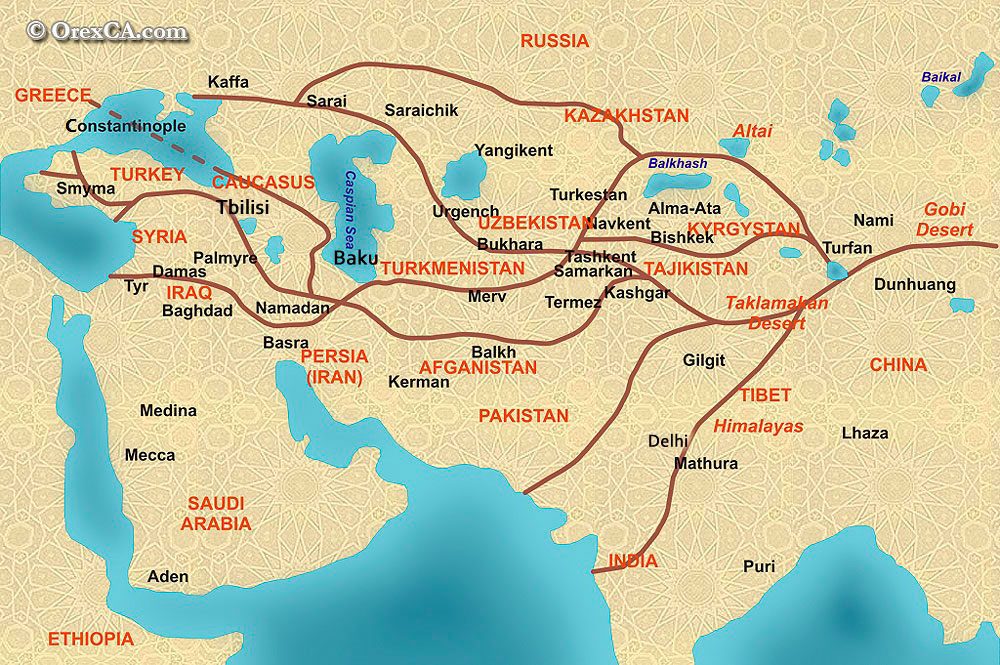 The Silk Road brought people far across Asia and Europe, bring different aspects of their culture with them. With these people came items and goods from different culture that some people of the west had not seen, and these things became more readily available for people of the west. Other than goods, religion traveled along the Silk Road. Buddhism spread great distances and much of the reason why it spread was because of the Silk Road.
The Silk Road was used in forms of communications as well. In the times of the Mongol Empire the Silk Road was used as a major route for communication and spreading of ideas for the Mongols, more than most were open to ideas and religions. Kubilai Khan, for example was one of the most sympathetic and understanding of most religions. During the mongol reign many people across Asia and other lands took part in this trade, spreading culture, religion and many other aspects of their lives all across the continent.
http://www.ess.uci.edu/~oliver/silk.html
The Silk Disaster
The Silk Road served as a large trade network connecting major empires from China to Rome. However, like Jordan said in the post before mine, it actually spread more than goods throughout Asia and Europe. Along with Buddhism, it also spread disease.
In Western Europe in the fourteenth century, a plague affected a large population. The plague earned the name the “Black Death” in the nineteenth century, but originally had the name the “Great Plague” or “Great Pestilence.” The spots on the skin of contaminated people inspired the name “Black Death,” since the spots were black and dark blue.
The disease originated in Central Asia. Traders that travelled across the Silk Road carried the disease all the way to Europe. It quickly infected Spain, England, Ireland, and France. Within five years, the plague had killed around one third of the European population.

It seems that people unintentionally spread the disease more than they knew. When the disease threatened a city, citizens frantically fled and unknowingly brought the disease with them. Also, people attended crowded parties in attempts to comfort themselves and relieve their stress. Instead, they ended up spreading the disease even more rapidly, since they were so close to so many other people.
The plague created major changes in Europe. There were fewer workers, and they demanded higher wages. Many teachers died, so uneducated people taught the schools. Also, people spoke Latin less often, since not all the survivors were familiar with the language. In total, the plague killed as many as seventy five million people.
In Western Europe in the fourteenth century, a plague affected a large population. The plague earned the name the “Black Death” in the nineteenth century, but originally had the name the “Great Plague” or “Great Pestilence.” The spots on the skin of contaminated people inspired the name “Black Death,” since the spots were black and dark blue.
The disease originated in Central Asia. Traders that travelled across the Silk Road carried the disease all the way to Europe. It quickly infected Spain, England, Ireland, and France. Within five years, the plague had killed around one third of the European population.

It seems that people unintentionally spread the disease more than they knew. When the disease threatened a city, citizens frantically fled and unknowingly brought the disease with them. Also, people attended crowded parties in attempts to comfort themselves and relieve their stress. Instead, they ended up spreading the disease even more rapidly, since they were so close to so many other people.
The plague created major changes in Europe. There were fewer workers, and they demanded higher wages. Many teachers died, so uneducated people taught the schools. Also, people spoke Latin less often, since not all the survivors were familiar with the language. In total, the plague killed as many as seventy five million people.
Follow this link to read more in depth about the Black Plague:
Subscribe to:
Posts (Atom)

